Animus: Human-Embodied Animals
Animus: Human-Embodied Animals Author:Julian Savulescu, Tsutomu SawaiJournal:Journal of Medical Ethics 2023 https://doi.org/10.1136/jme-2022-108817

Animus: Human-Embodied Animals Author:Julian Savulescu, Tsutomu SawaiJournal:Journal of Medical Ethics 2023 https://doi.org/10.1136/jme-2022-108817
哲学・倫理学と倫理ハイプの問題:脳オルガノイドのELSI研究を例に Author:Masanori KataokaJournal:モラリア November 24, 2023 https://tohoku.repo.nii.ac.jp/records/2000305
Is Epigenome Editing Non-inheritable? Implications for Ethics and the Regulation of Human Applications Author:Mitsuru Sasaki-Honda, Kyoko Akatsuka, Tsutomu SawaiJournal:Stem Cell Reports November 14, 2023 https://www.sciencedirect.com/science/article/pii/S2213671123004058
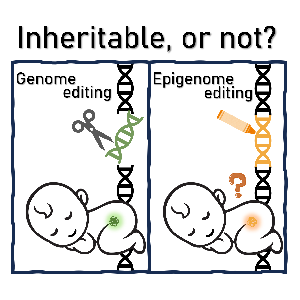
November 3, 2023 Potential Inheritable Effects and Ethical Considerations of Epigenome Editing Epigenome editing is an emerging technology used to regulate gene function by controlling epigenetic states at specific locations on the genome. This method is distinct from traditional genetic editing, which involves permanently altering the DNA sequence. Notably, the intervention effects of epigenome editing are thought to be reversible, making this technology particularly attractive for its potential therapeutic applications in the treatment of genetic disorders and chronic diseases. Although some researchers argue that it presents fewer ethical issues compared with permanent genome editing, especially in terms of its impact on offspring, the potential for transgenerational epigenetic inheritance has also been reported, suggesting that epigenetic changes could be inherited across generations in mammals. This study sought to examine the ethical and practical questions of epigenome editing
The technology, opportunities and challenges of synthetic biological intelligence Author:Brett J. Kagan, Christopher Gyngell, Tamra Lysaght, Victor M. Cole, Tsutomu Sawai, Julian SavulescuJournal:Biotechnology Advances November 2023 https://doi.org/10.1016/j.biotechadv.2023.108233
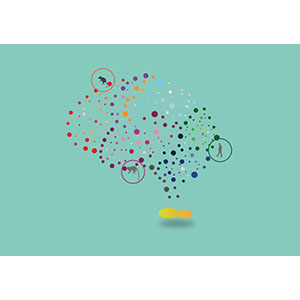
October 23, 2023 Exploring the Ethics of Transplanting Human Brain Organoids into Animals Studies using so-called “chimeric animals”, in which cells from one species are transplanted into another, have brought about a number of ethical concerns and considerations. This is especially true for research involving transplantation into animals of human brain organoids, which are three-dimensional brain tissue derived from human pluripotent stem cells. Although this area of research has seen tremendous progress over the last few years, only a few studies have examined the relevant ethical issues. A major source of controversy regards the potential for cognitive enhancement of the host animal, but a myriad of other issues remain. In light of this, the researchers have taken the proactive step of examining these issues, including some speculative issues, in order to guide future research and encourage understanding and management of the ethics of this research as developments continue. The st
The Ethics of Human Brain Organoid Transplantation in Animals Author:Masanori Kataoka, Christopher Gyngell, Julian Savulescu, Tsutomu SawaiJournal:Neuroethics October 2023 October 4, 2023 https://doi.org/10.1007/s12152-023-09532-3
Human Genome Editing in Clinical Applications: Japanese Lay and Expert Attitudes Author:Tsutomu Sawai, Taichi Hatta, Kyoko Akatsuka, Misao FujitaJournal:Frontiers in Genetics August 17, 2023 https://doi.org/10.3389/fgene.2023.1205092
The Importance of Accurate Representation of Human Brain Organoid Research Author:Masanori Kataoka, Christopher Gyngell, Julian Savulescu, Tsutomu SawaiJournal:Trends in Biotechnology August 2023 https://www.sciencedirect.com/science/article/pii/S0167779923000616
Should we really eat human-pig chimeras? A reply to Bobier Author:Hiroki Koyama, Masanori Kataoka, Shimpei Okamoto, Tsutomu SawaiJournal:Food Ethics July 4, 2023 https://doi.org/10.1007/s41055-023-00129-3